Taking Risks and Discovering Passions: the $10 Camera Story
They say the best camera you have...
I love buying and selling things
This is a definitive element of my personality for most people who know me even reasonably well. I've had Craigslist bookmarked on my browser bar since the mid 2000s - long before it was legal or advisable for me to engage in private transactions. I bought and sold my first car there, then my second, then my third, then... you know. It was (and is) mostly about the thrill of the hunt. Every time I find myself discovering a new passion, one of the first questions becomes "how much can I experience this passion by buying and selling things I find for sale on the Internet?"
Compounding this, I don't need "the best of the best," of things (well, okay, sometimes I do), but I do love finding the absolute best-fit thing for me personally in any subset of hobbies. I'm a sucker for research. Getting into a hobby for me represents an obsessive desire to understand the cultural elements of the hobby; reading threads on forums from 15 years ago about how the sentiment has shifted on what was cool at the time, what was overpriced, and what constituted a "hidden gem."
I bounce between cars, I bounced for a long time between phones, I bounced between $100 watches for a while. I've bought six or seven plain black t-shirts in the past year just to make sure I was optimizing for the things that I care about. We've always had film cameras around the house. Holly had experience both shooting on and developing film when getting her BFA in fine art photography, and we had some of her hand-me-down film cameras from family, as well as some reusable disposables that we had picked up over the years that we'd been using for travel when our digital gear that we used for her wedding photography business felt too cumbersome to travel with.
But I found the disposables to be lacking in the control over the image that we enjoy from our professional digital gear, and I wanted to split the difference for travel and daily carry. When I got the inkling to be more intentional about shooting on film, I didn't yet have the foresight to assume that I would quickly become obsessively discerning with cameras that I purchased. I found one camera that I wanted to buy that matched my initially arbitrary set of criteria. I wanted...
- aperture priority
- reliability
- autofocus
- and portability.
Above all else, I wanted it to fit in my pocket. As they say, the best camera that you have is the camera you have with you. These aren't unique interests; much of the point and shoot market that dominated the late 1990s catered to this exact set of interests at every price point. I was confident that I would find the right camera for me. I'll talk on a future post about what that camera was.
Progress doesn't happen in a straight line
As I started building my routine for searching the common marketplace sites, I found something immediately more (in that it was immediately accessible) - someone had just posted a great Canon WP-1 on Facebook Marketplace that appeared to be brand new - it even had a new roll of film it that was nearly 20 years old! This was one of the last high-quality, waterproof point and shoots released by a major manufacturer. I couldn't help myself, so I ran to Round Rock to pick that up. It seemed to function properly, but for the most part, I had absolutely no idea what I was looking at.
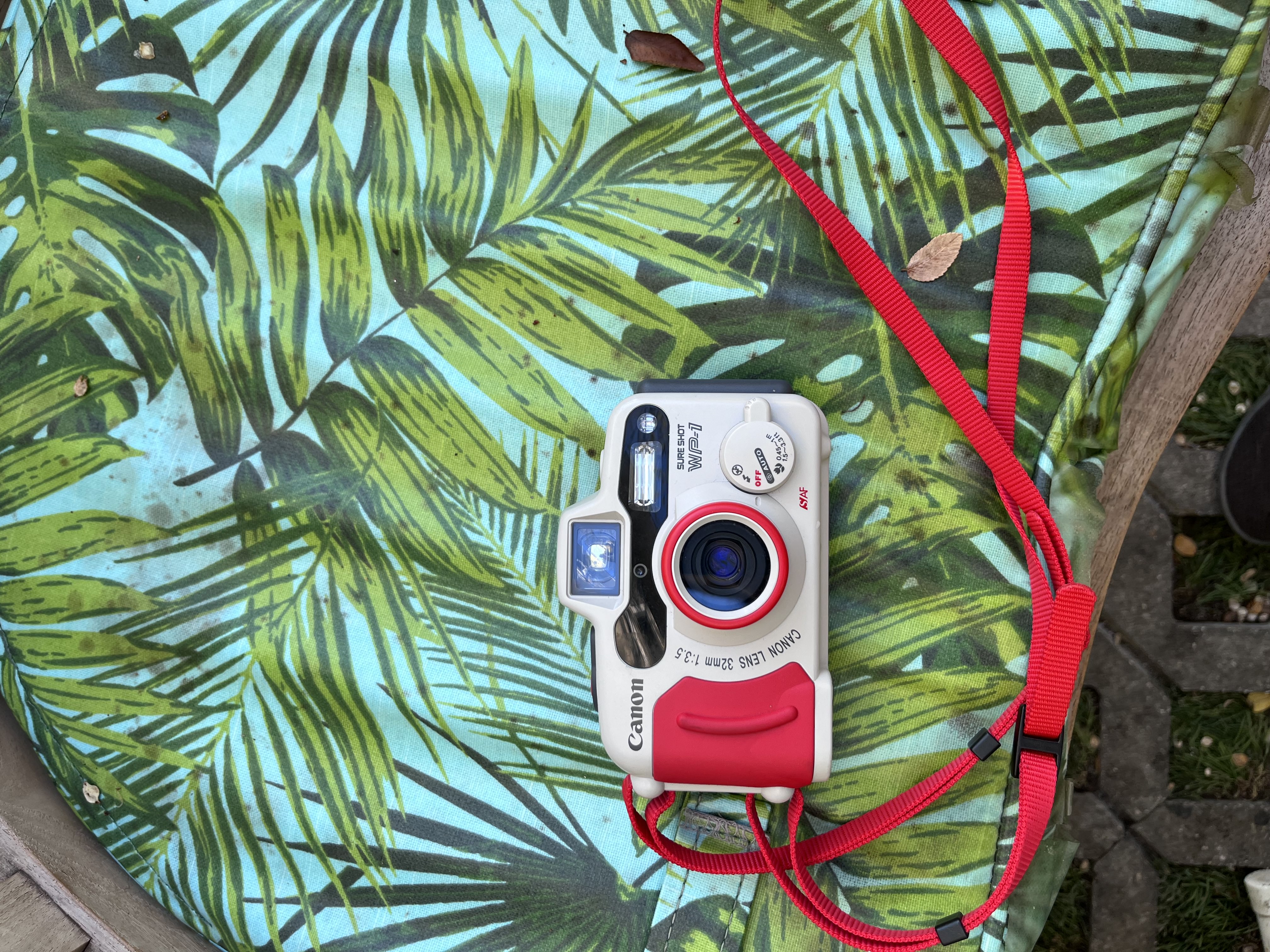
What a cute camera! Summer had just ended, but it's known for being a great camera whether or not it's exposed to water, so I bought it and didn't look back. This wasn't what I had intended to buy... I've put some rolls through that camera, and I'll be posting a review of that camera a little closer to the Summer.
So, what's the $10 camera?
Literally the next morning, as fate would have it, a post went up at 7:00am that simply said "camera - $10". It was an Olympus with a sliding clamshell covering the lens, and it looked like it was from the 70s or 80s, but I didn't know enough at the time to positively identify it - much less to evaluate in person whether or not it was functional. But it looked very small, and that was ultimately what I wanted, so back up Mopac to Round Rock I went.
When I arrived home, mystery camera in hand and my wallet $10 lighter, I began to do some research (clearly I like to learn as I go), and found that I had inadvertently stumbled on something special. Very special, actually.
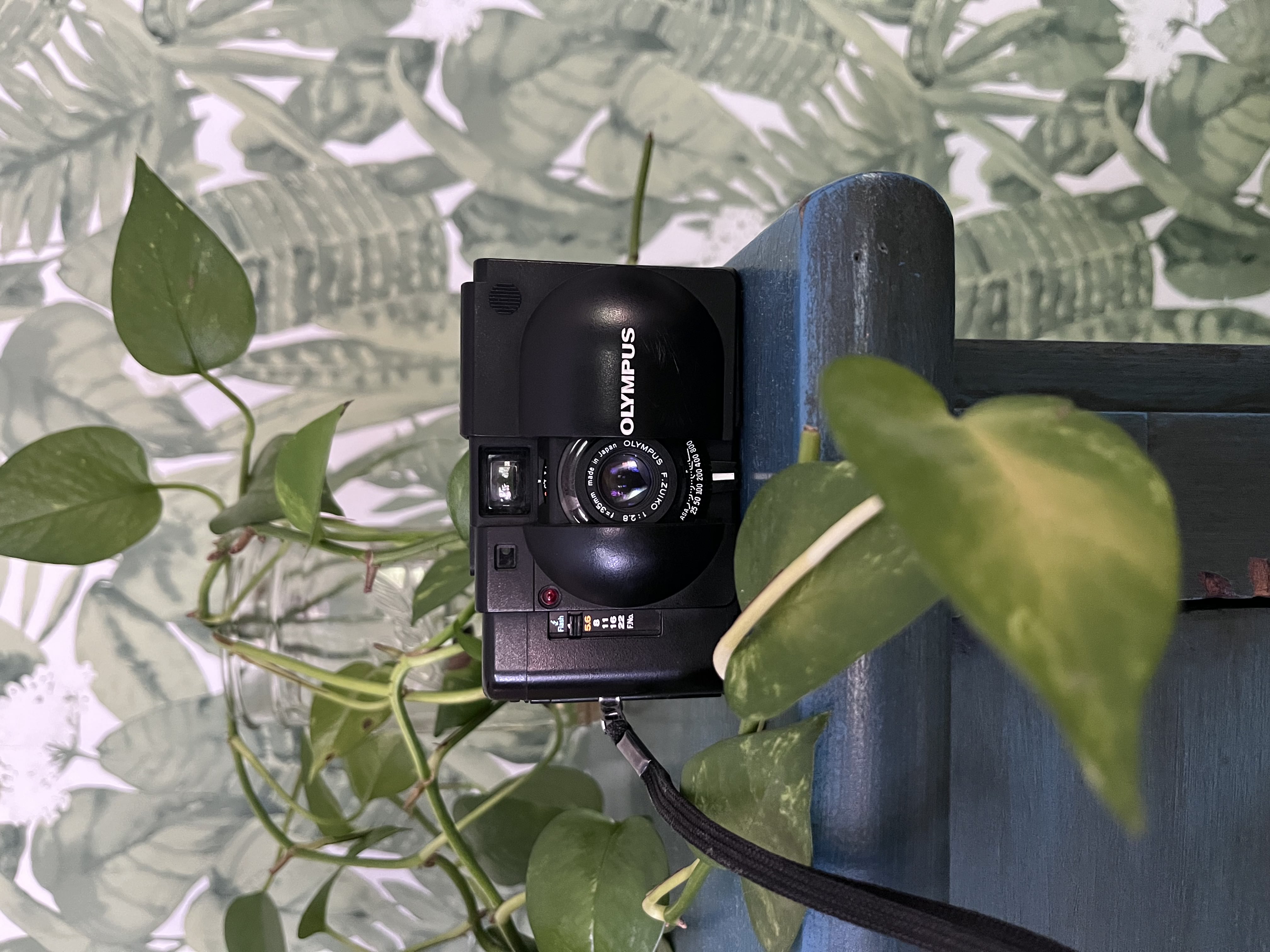
The Olympus XA Series
The camera I had stumbled upon was part of a series started by Olympus in the late 1970s, because as the lore will tell you, one of their executive designers was in a Japanese hot spring, and disappointed that he didn't have a camera compact enough to carry with him to appreciate the beauty of all places and things. So, through some incredible feats of engineering, Olympus released one of the smallest film cameras of all time, complete with aperture priority (exactly like I wanted!). Some of the XA line of cameras had autofocus (or no focus), but the original model that I picked up didn't; it was a rangefinder. At the time, I didn't know what that meant. The camera was $10, it felt like a safe enough gamble that I could figure it out as I went.
So I cleaned up this new-to-me Olympus XA, 'shot my shot' as it were, and decided to put a roll of film thorugh it to see what would happen. On the first roll that I got back, only 22 out of 36 exposures had enough light to be developed. Of those, only nine were in focus. But I was hooked. Obsessed with the mechanical translation of human intervention and the level of intentionality and attention required to take a 'successful' exposure. Fixated by the ability to use simple tools to take apart, adjust, troubleshoot, clean, and reassemble.
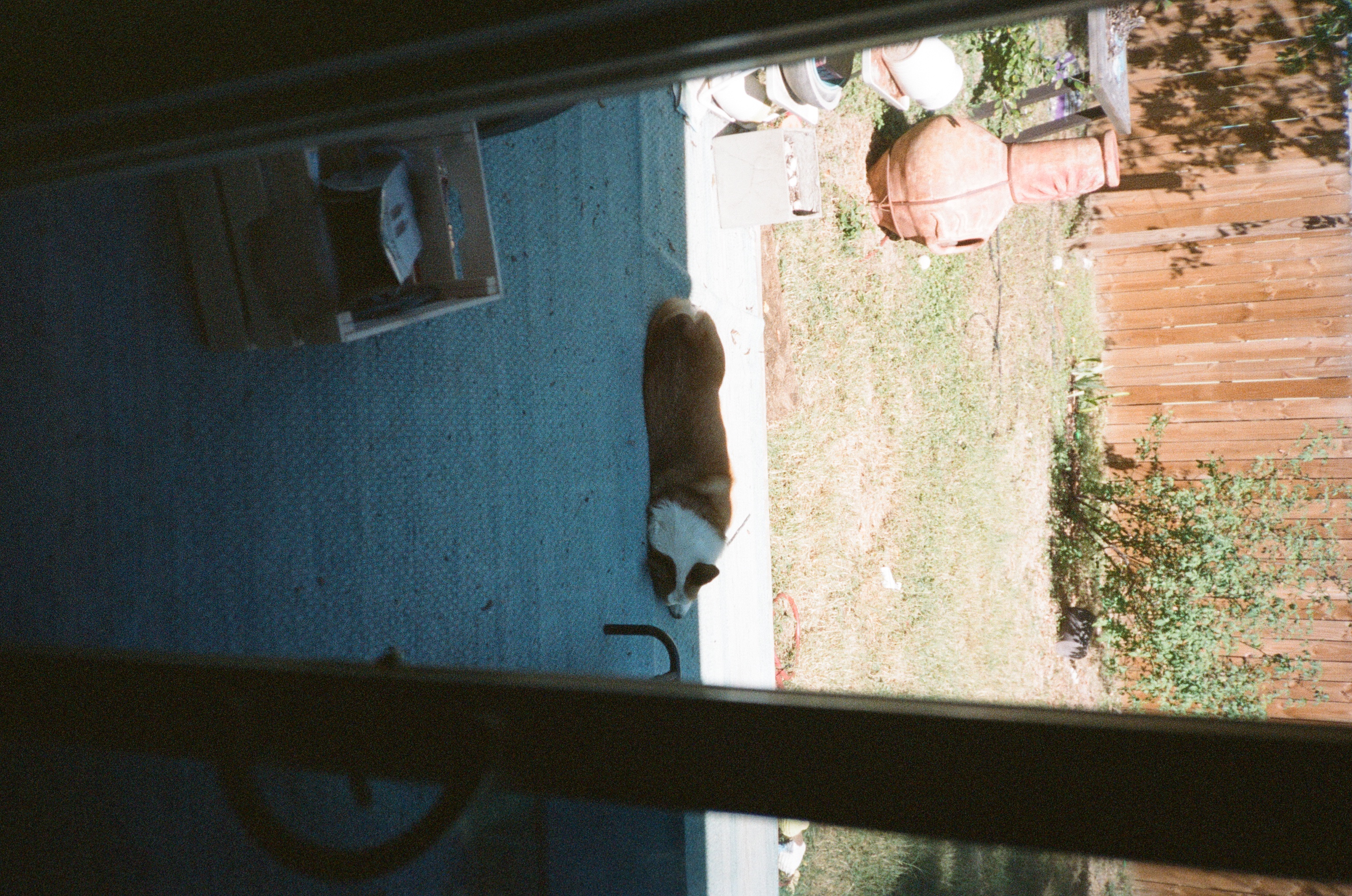
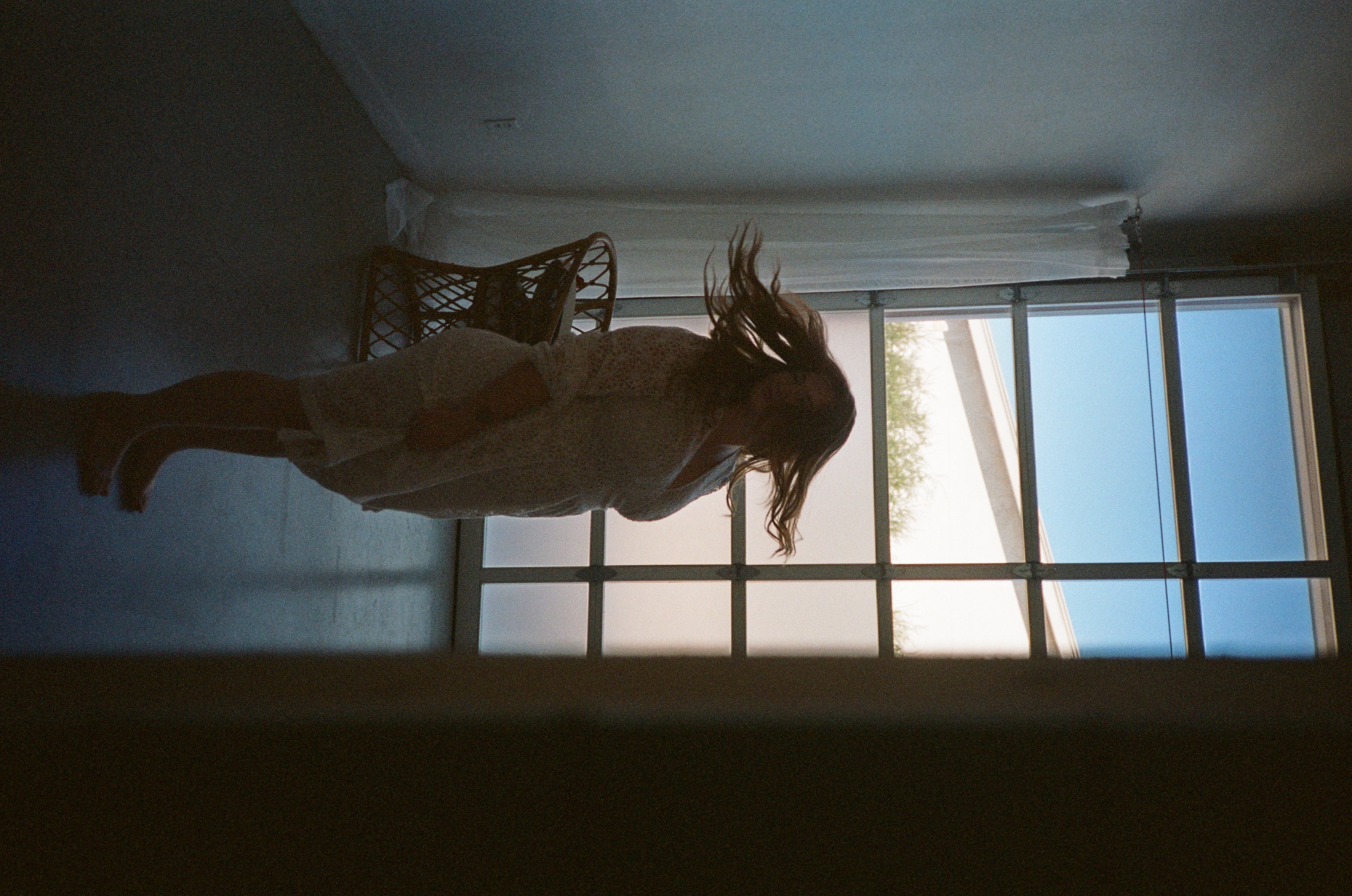

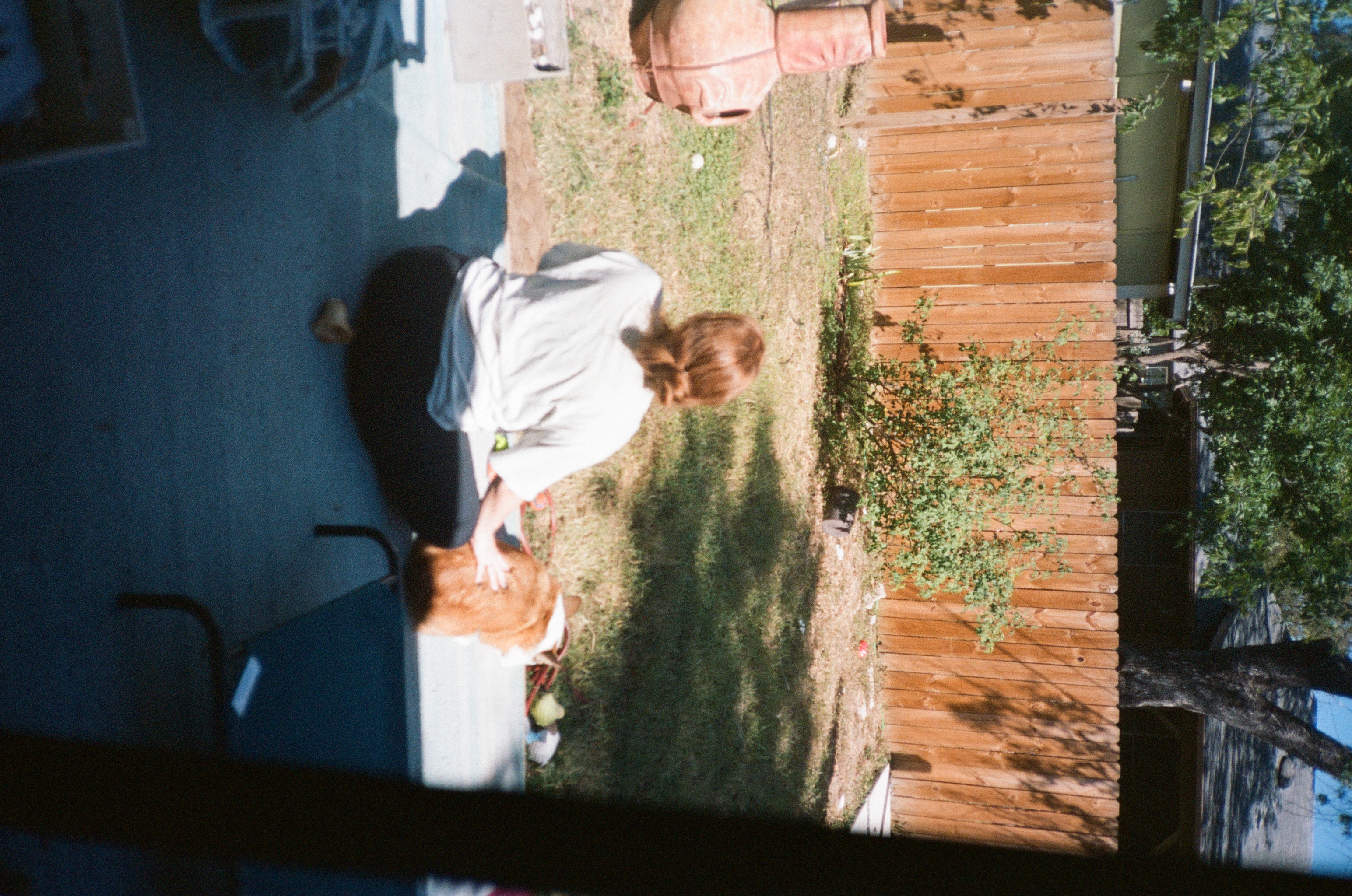
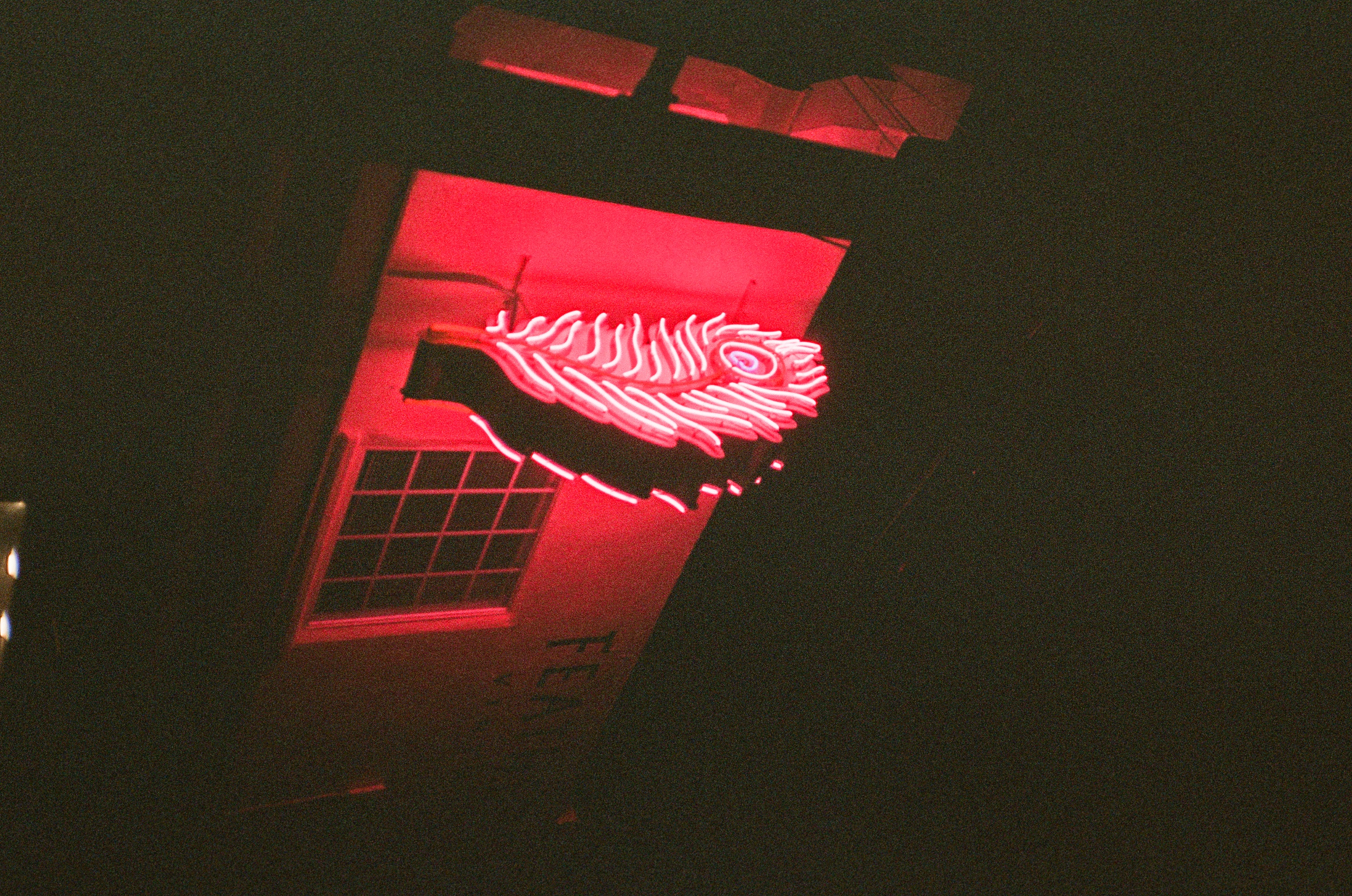
It was easily the best $10 I've ever spent. Unfortunately, by the time I finished it, we already had three new cameras. My very next roll, I got exposure right on 36/36 frames, and nailed focus on every single one. The excitement and obsession grew with every single roll. I'll be talking more about the simple beauty of the Olympus XA, my continued obsession with rangefinders (now that I know what they are), and more in future posts. Thanks for coming along with us.